- Home
- Pool Leak Detection
Pool Leak Detection Benoni
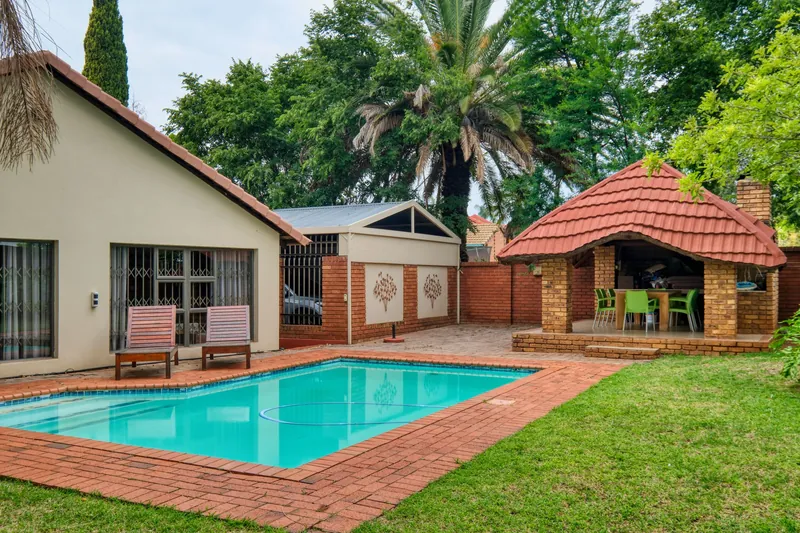
Pool leak detection Benoni jobs start with a bucket on the step, not a hammer on the paving. Once evaporation is ruled out, the fittings are dye tested and each buried line is pressure tested, so the leak is found before anything is lifted. For leaks in the house, see leak detection.
Every Part of a Pool That Can Lose Water Gets Tested
The fittings and pipework are checked before the shell, because they are quicker to rule in or out.
-
Bucket and dye tests
Evaporation ruled out first, then dye released at fittings to see where water is being drawn out.
-
Pressure tests on buried lines
Suction and return lines capped and put under pressure one at a time, so a leaking line shows on the gauge.
-
Skimmers, lights and returns
The joins where fittings pass through the shell, where seals and bedding give way.
-
The pump room
The pump, the filter and the valves around them, checked for drips and for water running to waste.
-
Buried pipe repairs
A cracked suction or return line opened at the located spot, and a new section fitted.
-
Shell cracks marked
Cracks in marbelite or fibreglass checked and recorded, so the repair goes to the right place.
A Pool That Keeps Dropping Needs a Leak Test, Not a Hose
Ekurhuleni’s water rules and Rand Water’s shutdown notices both point the same way on topping up.
Ekurhuleni declared Level 1 water restrictions in late November 2024. Under them, hosepipes may not be used to fill pools between 06:00 and 18:00. A City notice in September 2025 went further and said that filling swimming pools with municipal water is prohibited. Those were the rules in force as of September 2025, so check the City’s current notice before relying on them either way.
Rand Water’s maintenance adds a second reason. Ahead of the planned shutdowns between May and July 2026, Benoni residents were asked to limit irrigation, car washing and topping up swimming pools. A pool that only stays full with a regular hose is relying on water you may be asked not to use, at exactly the times supply is shortest. During a long shutdown there may be nothing to top up with at all.
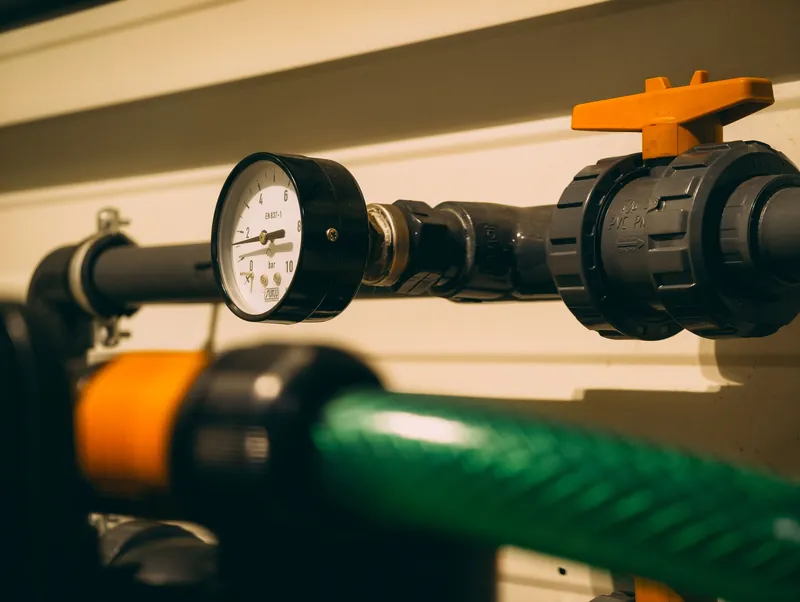
So a pool that keeps dropping is a leak to find, not a hose to run. Topping up hides the loss without stopping it: fresh water dilutes the chemicals, and the water you pay for ends up in the ground beside the pool. A leak also tends to grow, because water moving through a crack or a loose fitting keeps washing out what surrounds it. If the level falls below the skimmer opening, the pump starts drawing air, which is hard on its seals.
The first test costs nothing. The bucket test, set out in the questions below, stands a bucket of pool water on the step beside the pool, so the sun and wind take the same from both. Any extra drop in the pool is water escaping, and a wide gap between the two marks means a bigger leak. Run it before anyone comes out, because the result decides where the search starts.
Where a pool leaks follows how it was built. Every pipe or fitting that passes through the shell is a join between two materials: the skimmer throat, the light niche, each return inlet and the main drain at the bottom. Beyond the shell, the suction and return lines run buried between the pump room and the pool, often under paving. The shell itself can crack as well, in marbelite and fibreglass alike.
Run the bucket test before you reach for the hose. If the pool loses more than the bucket, every top-up only pays for the leak to keep going.
No Guessing Under the Paving
A pool leak can turn into a lot of broken brick. These four rules keep the damage to the part that needs it.
A test result before a hammer
Paving is lifted only over a leak that pressure tests and listening equipment have located, never on a hunch.
Relaying is on the quote
Pavers and coping that come up are listed with how they go back, so the finish is agreed before work starts.
Re-tested in front of you
The repaired line is put back under pressure with you watching before the job is called done.
Fittings named on the invoice
Every union, seal and length of pipe listed by brand and size, so the pump room work can be checked later.
How the Water Level Points to the Leak
The way a pool loses water says a lot about where it is going.
-
It loses water only while the pump runs
- What it usually means
- A leak on the pressure side: a return line, or a fitting after the pump and filter.
- What it needs
- The return lines capped and pressure tested, then the leak located before any paving is lifted.
-
The level stops falling at the same height
- What it usually means
- The leak sits at that height, at a skimmer, a light or a return inlet.
- What it needs
- Dye tests at the fittings on that level, then a new seal or a re-bedded fitting.
-
A soft, wet patch between the pump room and the pool
- What it usually means
- A buried suction or return line leaking into the ground under the lawn or paving.
- What it needs
- A pressure test to confirm which line, then a repair at that spot only.
The Search Narrows Before Anything Is Opened
Each step rules out part of the pool, so the area left to search keeps shrinking.
- 1
Run the bucket test
A day or two of side-by-side levels shows whether it is the weather or a leak. Send the form with the result.
- 2
The call back
Questions about the result, the pump and where the level stops falling. Then the call-out fee in rand.
- 3
Dye, then pressure
Fittings are dye tested in the water, then each buried line is capped and pressure tested to find the one losing water.
- 4
Quote, repair, re-test
The repair is quoted in writing. Afterwards the line goes back under pressure with you there, and you watch the level over the following days.
What Pool Owners Ask Before a Leak Test
Starting with the price, then the checks you can run yourself.
-
How much does pool leak detection cost in Benoni?
A Gauteng price guide published in August 2026 puts pool leak detection at roughly R500 to R2,500, finding a leak in a buried return line at about R1,200 to R2,500, and repairing one at around R4,000 to R12,000. Those are market ranges, not our rates. The call-out fee is given in rand on the call back.
-
How do I do a bucket test on my pool?
Stand a bucket on the first or second step and fill it with pool water to the pool’s level. Mark both water lines, run the pump as normal and leave them for 24 hours. If the pool drops more, repeat for a day with the pump off and compare.
-
Is it normal for a pool to lose water in summer?
Some loss is normal, because sun, wind, dry air and splashing all take water. The loss to watch is one that carries on through cool, still weather, or one that a pool cover makes no difference to.
-
Can we still swim while the pool is leaking?
Usually, yes. A leak does not make the water unsafe, as long as the chemical balance is kept up. The exception is a leak at a pool light: switch the light off at the board until it has been checked.
-
Could the leak be in the pump or the filter?
Yes, and those are the easiest places to check. Look for drips at the pump shaft seal, the lid and the unions either side of the pump. Water running from the backwash outlet while the valve is set to filter points to a worn multiport valve.
-
Can a leaking pool pipe be repaired without lifting the paving?
Not always, but the patch can be kept small. Once the leak is located, only the paving over that spot needs lifting, and sometimes a short new section can be run around the problem instead.
-
How are cracks in a marbelite or fibreglass pool dealt with?
First by proving they leak: dye released beside a crack shows whether it draws water or sits only in the surface finish. A leaking crack is usually a resurfacing or fibreglass repair rather than plumbing, and the written findings show the repairer exactly where to work.
-
What can I top up the pool with if municipal water is not allowed?
Rainwater from a tank fed by the gutters is the obvious choice, or borehole water where a property has one. A pool cover slows evaporation, so less is needed. Once the leak is fixed, the pool needs far less of either.
Book a Pool Leak Test in Benoni
Send the form with your bucket test result if you have one. A plumber phones back with the call-out fee before anyone comes out.