- Home
- Geyser Installation
Geyser Installation Benoni
Geyser installation Benoni jobs here are finished with every part an inspector or an insurer looks for, from the drip tray to the end of the overflow pipe. If the old geyser might still be saved, start with geyser repair. For lower running costs, see solar geyser installation.
A New Geyser Is More Than the Cylinder
Electric geysers in roof spaces and on outside walls, replaced like for like or moved and resized.
-
Burst geyser replacements
The failed cylinder swapped out and the claim paperwork prepared, with the cause of failure in writing.
-
Upgrades and second geysers
A bigger geyser for a bigger household, or a second one for a far bathroom, a cottage or a flat.
-
Relocations
A geyser moved from the ceiling over a bedroom to a safer spot in the roof, or out onto an outside wall.
-
Drip trays and drains
A tray under the cylinder with its own drain pipe to outside, so a leak shows early instead of in the ceiling.
-
Valves and vacuum breakers
The pressure control valve, the temperature and pressure valve, vacuum breakers and an isolator on the cold supply.
-
Lagging and pipe runs
Hot pipes lagged where they leave the geyser, and long runs to far bathrooms shortened where the layout allows.
The Parts of a Geyser the By-Laws Care About
Most of what makes an installation legal is not the cylinder. It is the pipework around it, and where the water goes when something lets go.
Ekurhuleni’s water by-laws are specific about one part of every geyser: the overflow or heat expansion pipe. The owner has to make sure it is installed so that any discharge is readily visible and does not run directly into a sewer or a stormwater system. Breaking that rule is an offence under the same by-law, and the person it names is the owner, not the plumber. For most houses that means the overflow ends outside, above ground, on a wall someone walks past.
The rule makes practical sense. An overflow is the geyser’s early warning, because a steady run means a valve is letting by or the water is overheating. Piped into a gully or a downpipe, that warning disappears, and the water you paid to heat goes down the drain unnoticed. A visible overflow is no harder to fit than a hidden one, but it has to be planned when the geyser goes in.
The City’s draft by-laws go further, on who may do the work. Only a qualified plumber, a person working under a qualified plumber’s control, or someone the City has authorised in writing would be allowed to replace a fixed water heater or its protective devices. The draft has not been confirmed as adopted, but it describes how the job should be done anyway: a geyser is a pressure vessel full of very hot water, usually sitting above a ceiling. It is fair to ask who will do the work on the day, and whether they are the qualified plumber or working under one.
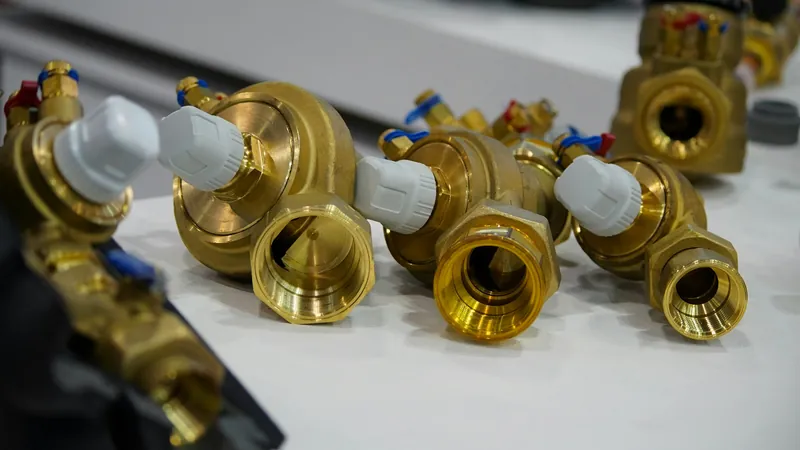
Those protective devices are worth knowing by name. The pressure control valve brings mains pressure down to what the cylinder is rated for. The temperature and pressure valve opens if the water gets too hot or the pressure too high, and vacuum breakers on the hot and cold pipes stop a vacuum from forming and siphoning or collapsing the tank when the supply drains. Under all of it sits a drip tray with its own drain to outside.
The geyser also needs its own isolating valve on the cold supply, so it can be shut off for a repair without cutting water to the whole house. It is a separate valve from the main one at the boundary, and it belongs on the quote like every other part. When an assessor or an inspector looks at a new installation, the parts in this section are the short list they work through, and you can work through the same list yourself from the roof hatch.
Before you pay for a new geyser, walk outside and find where its overflow ends. You should be able to see it, and it should not run into a drain.
Nothing Left Half Finished in the Roof
Four methods for geyser installations, each one something you can check before the ceiling hatch closes.
Every protective device on the quote
Tray, drain, valves and vacuum breakers are listed line by line, so nothing is left for you to finish later.
Valves matched to the cylinder
The pressure control valve is chosen for the geyser’s rated pressure, so the new cylinder is never run above what it was built for.
The tray drain tested with water
Water is poured into the drip tray to prove that it drains outside before the job is signed off.
Both serial numbers on the invoice
The old and new serial numbers go on the invoice with photos of the old unit, the way claims departments ask for them.
Three Things in the Roof That Change the Quote
The geyser costs the same wherever it goes. The work around it does not.
-
A geyser above a bedroom with no tray
- What it usually means
- Any leak goes straight into the ceiling below, with no drain to give an early warning.
- What it needs
- A tray and drain fitted with the new geyser, or a move to a safer spot, priced as an option.
-
Weak or uneven hot water pressure
- What it usually means
- An undersized or blocked pressure control valve, or long, narrow pipe runs to the far bathrooms.
- What it needs
- A valve sized for the house, and the worst runs looked at while the roof is open.
-
Ceiling boards soaked by the old geyser
- What it usually means
- The boards, and sometimes the timber under the geyser, may no longer carry a full cylinder safely.
- What it needs
- The support checked before a new geyser goes on it, and the damage photographed for the insurer.
Size and Position Are Settled Before the Old Geyser Comes Out
For an insurance replacement, the insurer’s go-ahead fits between the quote and the installation.
- 1
Tell us about the old geyser
Its size, where it sits and whether it burst. A photo of the label on its side helps.
- 2
Call back and site check
The call-out fee in rand first. Then a look at the position, the roof boards and the pipework.
- 3
A written quote
The geyser, valves, tray, removal of the old unit and any making good, each on its own line.
- 4
Installed, filled and heated
Air bled from the taps and the geyser left heating, with the overflow and tray drain checked with you before the plumber leaves.
Questions to Settle Before a New Geyser Goes In
Cost first, then size and position, which drive most of the rest of the price.
-
What will a new geyser cost me, installed, in Benoni?
Price guides published in 2025 and 2026 put a 150 litre electric geyser at roughly R6,300 to R11,500 installed and a 200 litre at about R7,000 to R14,500, with the geyser itself the biggest part of the figure. Those are market ranges, not our rates. A tray, a move or an outside wall adds to it, which is why the quote follows a look at the roof.
-
What size geyser does my household need?
Size follows the busiest hour, not the number of bedrooms. If the last shower of the morning runs cold, the geyser is too small for how the house uses it; if nobody ever runs short, the same size again is usually right. Going up a size costs more and keeps more water hot all day.
-
Should the new geyser be horizontal or vertical?
Whichever suits the space. Horizontal geysers fit low roof spaces, while vertical ones take less floor area and suit cupboards and outside walls. The choice also sets the tray, the drain route and how easy the next repair will be.
-
Can a geyser be installed on an outside wall?
Yes, and it takes the risk of a burst out of the ceiling. It needs a geyser rated for outside use or a proper cover, lagged pipes and a wall strong enough to carry a full cylinder. Expect it to cost more than a roof-space swap, because of the brackets and new pipe runs.
-
What happens to my old geyser?
It comes out of the roof and leaves with the plumber, unless your insurer wants it kept for an assessor. In that case it stays on site until they have seen it.
-
My insurer is paying. Will I get the same geyser back?
Household policies generally pay for like for like: the same size and type, with the parts needed to fit it properly. An upgrade, such as a bigger geyser or a move outside, is usually yours to pay as the difference, and the quote shows the two shares separately.
-
Can I get a geyser that is ready for solar or a heat pump later?
Yes. Solar-ready electric geysers have extra connections for collectors or a heat pump, which can make a later conversion simpler than replacing the cylinder again. If you expect to convert within a few years, say so at quote stage.
-
Does a new electric geyser need a certificate of compliance?
According to the PIRB, the requirement to issue one was deleted from SANS 10254 on 24 June 2022. The same PIRB notice says some insurers, municipalities and developers still ask for a PIRB-audited certificate, so check with yours first. Solar geysers and heat pumps still need one.
Get a Geyser Installation Quote in Benoni
Give the size and position of the old geyser if you know them. A plumber phones back with the call-out fee, then quotes in writing.